
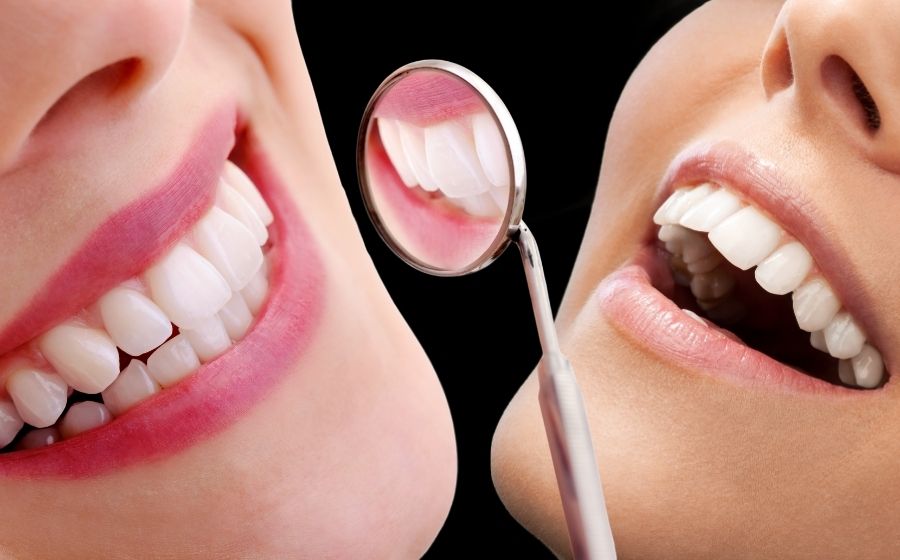
Thinking about upgrading your smile? You’re not alone. Cosmetic dentistry has become more popular than ever, and two of the most talked-about treatments are porcelain veneers and composite bonding.
Both can give you a brighter, more even smile. But how do you choose between the two? In this guide, we’ll explore the pros, cons, and differences to help you decide which smile makeover suits your needs, lifestyle, and budget.
What Are Porcelain Veneers?
Porcelain veneers are thin, custom-made shells that cover the front surface of your teeth. Made from strong ceramic material, they’re crafted to match your desired tooth shape, size, and shade.
Dentists use porcelain veneers to correct:
-
Discoloured or stained teeth
-
Chipped or broken teeth
-
Gaps between teeth
-
Misshaped or uneven teeth
To fit veneers, your dentist usually removes a small amount of enamel from your natural teeth. This helps the veneers bond properly and look more natural.
What Is Composite Bonding?
Composite bonding uses a tooth-coloured resin to fix flaws like chips, cracks, or gaps. The dentist shapes and polishes the material directly on your tooth in one visit. It’s quicker and less invasive than veneers.
Composite bonding is ideal for:
-
Small cosmetic fixes
-
Minor gaps or chips
-
Whitening stubborn stains
-
Smoothing uneven edges
It’s often chosen for patients who want a quick and cost-effective boost to their smile.
Key Differences: Porcelain Veneers vs. Composite Bonding
To decide which option suits you, let’s compare porcelain veneers and composite bonding across several important factors.
1. Appearance and Results
Porcelain veneers offer a natural, high-gloss finish that resists stains. They reflect light like real enamel and are customised in a dental lab.
Composite bonding looks good, but may not be quite as shiny or realistic as porcelain. Over time, it can stain from tea, coffee, or red wine.
Winner: Veneers, if you want a flawless, long-lasting finish.
2. Durability and Lifespan
Porcelain veneers can last 10–15 years or more with proper care. They’re strong, but if they crack, they usually need replacing.
Composite bonding lasts around 4–8 years. It’s more likely to chip or wear down, especially if you grind your teeth or bite hard foods.
Winner: Veneers for long-term durability.
3. Cost and Affordability
Veneers are more expensive. The cost per tooth in the UK ranges from £500 to £1,000 or more, depending on the clinic and complexity.
Composite bonding is much cheaper—typically between £100 and £400 per tooth. That makes it a popular choice for younger patients or those on a tighter budget.
Winner: Bonding, for affordability.
4. Treatment Time
Composite bonding can be completed in just one visit. The dentist sculpts the resin directly on your teeth and sets it with a special light.
Porcelain veneers usually take two to three visits. After an initial consultation, the dentist prepares your teeth, takes impressions, and fits temporary veneers. You’ll return later for the permanent ones.
Winner: Bonding, for speed and convenience.
5. Tooth Preservation
Veneers require the removal of a thin layer of enamel, which means the process is permanent. Once you commit, there’s no going back.
Bonding is minimally invasive. In most cases, no enamel is removed, and the procedure is reversible.
Winner: Bonding, if you want a less invasive option.
6. Maintenance and Aftercare
Both treatments require good oral hygiene—brushing twice a day, flossing, and regular dental check-ups.
However, porcelain veneers need extra care to avoid damage. Avoid biting on hard items like ice or pen lids.
Composite bonding may need polishing or repairs over time, especially if it gets stained or chipped.
Winner: It’s a tie, depending on your habits.
Which Option Is Right for You?
Here’s a quick guide based on common goals:
| Goal | Best Option |
|---|---|
| Long-lasting, dramatic transformation | Porcelain Veneers |
| Quick and affordable touch-up | Composite Bonding |
| Stain resistance | Porcelain Veneers |
| Non-permanent or first-time cosmetic fix | Composite Bonding |
| Natural-looking results for worn or misshaped teeth | Porcelain Veneers |
Before making your choice, it’s best to speak with a cosmetic dentist. They’ll examine your teeth, talk through your goals, and recommend what suits you best.
FAQs About Veneers and Bonding
Do veneers hurt?
Most people feel little to no discomfort. A numbing gel or local anaesthetic is used during the procedure.
Is bonding suitable for every tooth?
Bonding works best on front teeth where there’s less bite pressure. For back teeth or larger gaps, other options may be better.
Can I whiten veneers or bonded teeth?
No. Teeth whitening doesn’t work on bonding or veneers. Pick your final tooth shade carefully with your dentist.
Smile With Confidence
Whether you choose porcelain veneers or composite bonding, the goal is the same—a smile that makes you feel good. Both treatments offer powerful ways to boost your confidence and appearance.
Think about your budget, time, and how long you want your results to last. And remember, a chat with your dentist is the best way to get personalised advice.