
When it comes to restoring your smile and functionality after tooth loss, choosing between implant overdentures and traditional dentures can feel overwhelming. Both options serve the purpose of replacing missing teeth, but they differ significantly in terms of comfort, stability, and long-term benefits. This guide breaks down the advantages and limitations of each to help you make an informed decision.
What Are Implant Overdentures?
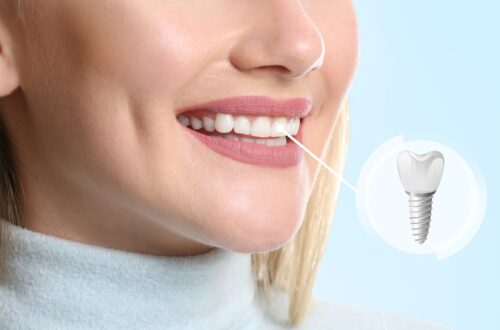
Implant overdentures are a modern solution that combines the removable nature of traditional dentures with the stability of dental implants. Small titanium posts are surgically placed into the jawbone, and the overdenture snaps securely onto these implants.
Key Benefits of Implant Overdentures:
- Enhanced Denture Stability: Unlike traditional dentures, implant overdentures stay firmly in place, eliminating the risk of slipping during eating or speaking.
- Bone Preservation: Dental implants stimulate the jawbone, preventing bone loss that typically occurs after tooth extraction.
- Improved Comfort: With better fit and stability, implant overdentures reduce irritation and sore spots.
Traditional Dentures: The Classic Approach
Traditional dentures are removable prosthetic teeth that sit on the gums, held in place by suction or adhesives. They are a popular choice for patients seeking an affordable and non-invasive solution.
Advantages of Traditional Dentures:
- Cost-Effective: Traditional dentures generally cost less upfront than implant-supported options.
- Non-Surgical: They require no surgery, making them suitable for patients who cannot undergo implant placement due to medical conditions or budget constraints.
- Quick Turnaround: Traditional dentures can be crafted relatively quickly compared to the implant process.
Comparing Implant Overdentures and Traditional Dentures
| Feature | Implant Overdentures | Traditional Dentures |
|---|---|---|
| Stability | Secured with implants; no slipping. | May slip or move during use. |
| Bone Preservation | Stimulates the jawbone, reducing loss. | Does not prevent bone resorption. |
| Comfort | Custom fit with fewer sore spots. | Can cause irritation over time. |
| Longevity | Long-lasting with proper care. | Requires periodic replacement. |
| Cost | Higher initial investment. | More affordable upfront. |
| Maintenance | Routine cleaning similar to natural teeth. | May need adhesives and frequent adjustments. |
The Role of Denture Stability
One of the main factors influencing your choice is denture stability. Traditional dentures rely on suction and adhesives, which may not be sufficient for everyone, especially if the jawbone has significantly receded.
Implant Overdentures for Maximum Stability:
Implants anchor the overdenture in place, providing unmatched stability for:
- Confident chewing of a wider variety of foods.
- Clearer speech without fear of slipping dentures.
- Improved self-esteem due to a more natural feel and appearance.
Bone Preservation: A Long-Term Benefit of Implant Overdentures
Traditional dentures rest on the gums and do not interact with the underlying jawbone, leading to gradual bone resorption. This can result in changes to facial structure, making dentures fit poorly over time.
In contrast, implant overdentures help maintain the jawbone. The implants act as artificial tooth roots, stimulating the bone and preventing resorption. This makes bone preservation a standout benefit for those seeking a long-term solution.
Ideal Candidates for Each Option
Who Should Consider Implant Overdentures?
- Patients looking for a stable, secure fit.
- Those with sufficient jawbone density or willingness to undergo bone grafting if needed.
- Individuals seeking a long-term investment in their oral health.
Who Are Traditional Dentures Best For?
- Patients who prefer a non-surgical, cost-effective solution.
- Those with significant medical conditions that preclude implant surgery.
- Individuals seeking a quick and temporary tooth replacement option.
The Implant Overdenture Process
The journey to implant overdentures involves several steps:
- Consultation and Planning: A dentist or oral surgeon evaluates your jawbone and overall oral health.
- Implant Placement Surgery: Titanium posts are surgically embedded into the jawbone.
- Healing Period: Over several months, the implants fuse with the bone in a process called osseointegration.
- Denture Attachment: Once healed, the overdenture is custom-made and securely attached to the implants.
Customisation and Aesthetics
Both options offer opportunities for customisation to improve aesthetics and functionality:
- Traditional Dentures: Can be designed to closely mimic natural teeth but may lack the lifelike appearance of implant-supported options.
- Implant Overdentures: Provide a more natural look and feel, as they are anchored securely and allow for optimal tooth positioning.
Cost Considerations
While implant overdentures have a higher upfront cost, they are a worthwhile investment due to their durability and benefits like reduced bone loss and long-term comfort. Traditional dentures are more affordable initially but may require more frequent replacements and adjustments over time, potentially leading to higher cumulative costs.
Maintaining Your Dentures
Both options require regular care to maintain hygiene and function:
- Implant Overdentures: Brush like natural teeth and schedule regular dental checkups.
- Traditional Dentures: Clean with specialised products and store in water or denture solution when not in use.
Choosing between implant overdentures and traditional dentures depends on your lifestyle, budget, and oral health needs. If stability, bone preservation, and long-term comfort are priorities, implant overdentures are an excellent choice. However, if you’re looking for a non-invasive, affordable solution, traditional dentures may suit your needs better.
Consulting with your dentist can help you determine the best option for your unique situation, ensuring you enjoy a restored smile with maximum confidence.