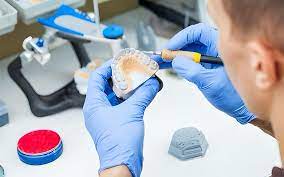
CAD/CAM technology in dentistry has transformed the way dental crowns are created and delivered, enabling same-day restorations with precision and efficiency. This cutting-edge approach eliminates the need for multiple visits, providing patients with durable and aesthetically pleasing crowns in just a single appointment.
What Is CAD/CAM Technology?
CAD (Computer-Aided Design) and CAM (Computer-Aided Manufacturing) technology work together to design and fabricate dental restorations digitally. The process involves using digital impressions and advanced software to create customized crowns, bridges, and veneers with unparalleled accuracy.
The Process of Creating Same-Day Crowns with CAD/CAM
1. Digital Impressions
Instead of traditional, messy molds, a dentist uses an intraoral scanner to capture a detailed 3D image of the patient’s teeth. This data forms the basis for designing the crown.
2. Virtual Crown Design
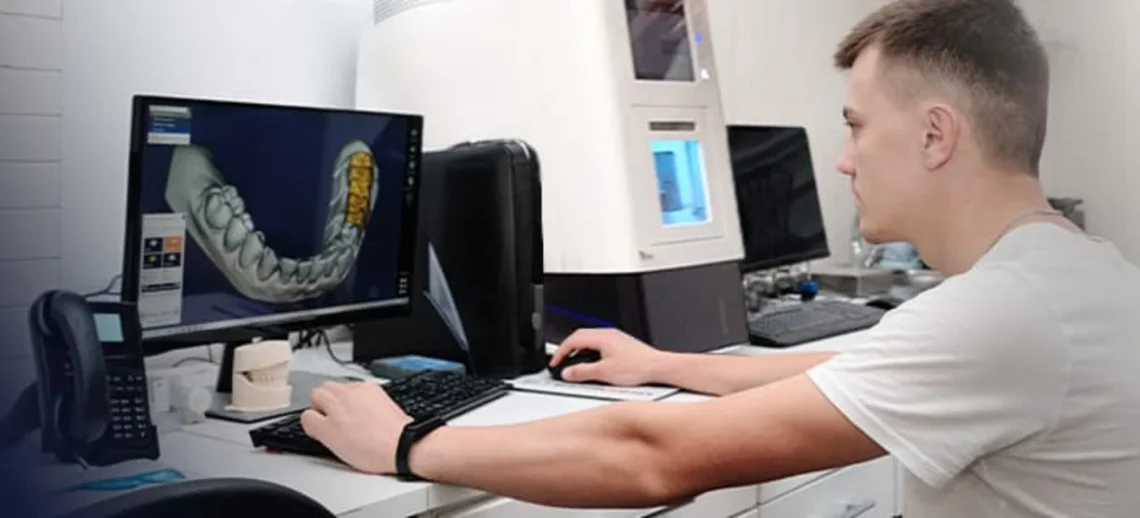
The scanned image is processed using CAD software, where the dentist designs the crown to fit seamlessly with the patient’s bite and neighboring teeth. Adjustments can be made instantly to ensure optimal fit and aesthetics.
3. Crown Fabrication
The CAM system mills the crown from a solid block of ceramic or other biocompatible materials. This process typically takes 15–30 minutes, depending on the complexity of the design.
4. Crown Placement
Once the crown is fabricated, the dentist polishes and bonds it to the prepared tooth. The entire procedure is completed in a single visit.
Benefits of CAD/CAM Technology for Same-Day Crowns
1. Time Efficiency
Patients no longer need temporary crowns or multiple appointments, saving both time and inconvenience.
2. Precision and Accuracy
Digital impressions and milling ensure a perfect fit, reducing the need for adjustments and remakes.
3. Aesthetic Excellence
CAD/CAM technology uses high-quality materials that mimic the natural look and feel of teeth, ensuring a lifelike appearance.
4. Patient Comfort
Eliminating traditional impressions improves patient comfort and reduces anxiety, especially for those with sensitive gag reflexes.
5. Durability
CAD/CAM crowns are crafted from strong, wear-resistant materials, providing long-lasting results.
Applications Beyond Crowns
While dental crowns are the most common application, CAD/CAM technology is also used for:
- Inlays and Onlays: For restoring decayed or damaged teeth.
- Veneers: To enhance smile aesthetics.
- Bridges: To replace missing teeth.
- Implant Restorations: For custom abutments and crowns.
Advancements in CAD/CAM Technology
1. Improved Materials
Modern CAD/CAM systems can mill a variety of materials, including zirconia, lithium disilicate, and hybrid ceramics, offering options for strength and aesthetics.
2. AI Integration
Advanced AI algorithms in CAD software enhance design accuracy and automate complex processes, improving outcomes.
3. Cloud-Based Systems
Digital files can be stored and shared securely, enabling seamless collaboration between dentists and dental labs if needed.
Challenges and Considerations
While CAD/CAM technology in dentistry offers numerous advantages, there are some challenges:
- Initial Investment: High equipment and training costs.
- Learning Curve: Dentists need specialized training to maximize the system’s potential.
- Material Limitations: Not all materials are suitable for same-day milling.
The Future of CAD/CAM in Dentistry
As technology continues to evolve, CAD/CAM technology in dentistry is expected to become even more accessible and versatile. Innovations like faster milling machines, improved material science, and enhanced AI-driven design will further revolutionize same-day restorations.
Same-day crowns made possible by CAD/CAM technology in dentistry represent a significant advancement in dental care. With digital impressions and precise fabrication, patients enjoy a streamlined experience, superior results, and renewed confidence—all in one visit.