
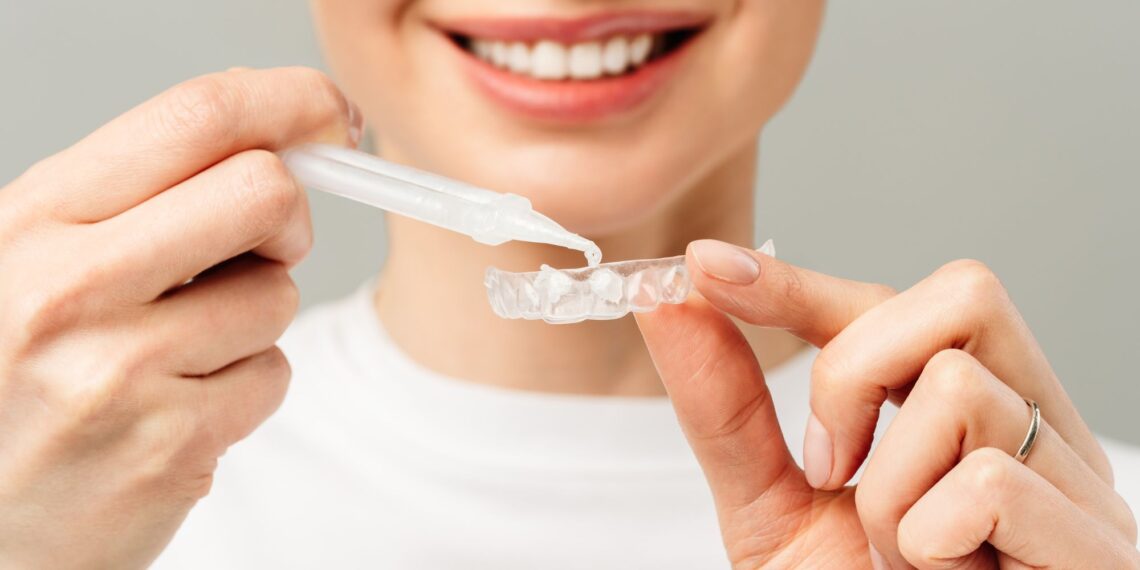
A bright, white smile is often seen as a hallmark of health and beauty. While traditional methods like bleaching gels and trays have been the go-to options for years, advancements in dental technology are offering exciting new teeth whitening innovations. These breakthroughs not only improve results but also focus on safety and efficiency, providing solutions that are enamel-safe treatments and ideal for modern cosmetic enhancements.
Let’s explore the latest trends and technologies shaping the future of teeth whitening and how they compare to traditional methods.
The Limitations of Traditional Whitening Methods
Conventional whitening methods, such as at-home bleaching kits and professional trays, have been effective but come with drawbacks:
- Sensitivity Issues: Many people experience tooth sensitivity due to the use of peroxide-based gels.
- Enamel Damage Risks: Overuse or misuse of whitening products can weaken tooth enamel.
- Time-Consuming: Some methods require weeks of consistent use to achieve noticeable results.
- Uneven Whitening: Trays and gels often fail to cover every part of the teeth uniformly.
To address these issues, modern teeth whitening innovations are focusing on safety, speed, and enhanced cosmetic results.
Cutting-Edge Teeth Whitening Technologies
1. Laser-Assisted Whitening
How it Works:
Laser whitening involves applying a whitening gel to the teeth and then activating it with a laser. The heat from the laser accelerates the chemical reaction, breaking down stains more effectively.
Benefits:
- Faster results, often achieved in a single session.
- Precision targeting for uniform whitening.
- Safe for enamel when performed by a professional.
Considerations:
- Higher cost compared to traditional methods.
- Not suitable for patients with extreme sensitivity.
2. LED Whitening Systems
How it Works:
LED lights are used to enhance the effects of whitening gels. The light activates the gel, speeding up the whitening process.
Benefits:
- Less heat than laser systems, reducing the risk of sensitivity.
- Enamel-friendly options are available.
- Can be used both in-office and with at-home kits.
Innovative Feature: Portable LED devices are now available, offering convenience for at-home whitening without compromising on results.
3. Nano-Hydroxyapatite Treatments
How it Works:
This technology incorporates nano-hydroxyapatite, a compound that mimics the mineral composition of tooth enamel, into whitening formulas.
Benefits:
- Repairs micro-cracks in enamel while whitening.
- Reduces sensitivity.
- Ideal for patients with enamel erosion or weak teeth.
4. Activated Charcoal and Natural Alternatives
How it Works:
Charcoal binds to stains and impurities on the teeth, providing a natural method for surface whitening.
Benefits:
- Chemical-free and safe for enamel when used sparingly.
- Popular among patients seeking natural cosmetic options.
Caution: Overuse can lead to abrasiveness, causing enamel damage over time.
5. Ultrasonic Whitening
How it Works:
Ultrasonic vibrations are used to remove surface stains and activate whitening solutions applied to the teeth.
Benefits:
- Safe for enamel with minimal sensitivity.
- Effective for removing both surface and deeper stains.
- Gentle on gums and soft tissues.
Innovations in Enamel-Safe Whitening
The latest whitening technologies place a strong emphasis on enamel-safe treatments to ensure long-term oral health.
Mineral-Enriched Formulas
Many new whitening products now include ingredients like calcium and fluoride to strengthen enamel while removing stains.
pH-Balanced Whitening Solutions
Whitening gels with neutral pH levels minimise the risk of enamel erosion, providing a safer alternative to acidic treatments.
Customised Whitening Plans
Digital imaging tools now allow dentists to create personalised whitening plans, ensuring even and safe application for each patient’s unique dental structure.
The Role of Cosmetic Enhancements in Whitening
While traditional whitening methods focus solely on removing stains, modern approaches integrate whitening into broader cosmetic enhancements:
- Veneers: Ultra-thin shells that provide a flawless, white smile.
- Composite Bonding: Used to correct minor imperfections while enhancing the whiteness of teeth.
- Smile Makeovers: Comprehensive plans that combine whitening with orthodontics or other treatments for optimal aesthetics.
Comparing Innovations to Traditional Methods
| Feature | Traditional Methods | Modern Innovations |
|---|---|---|
| Whitening Speed | Weeks to months. | Often achieved in a single session. |
| Safety for Enamel | Risk of sensitivity and erosion. | Focus on enamel-safe treatments. |
| Precision | Limited control over uniformity. | High precision with lasers and LED. |
| Cost | Generally more affordable. | Higher initial investment but superior results. |
Tips for Maintaining a White Smile
Even with the best whitening treatments, maintaining results requires consistent care:
- Practice Good Oral Hygiene: Brush twice daily and floss to prevent plaque buildup.
- Avoid Stain-Causing Foods: Minimise consumption of coffee, tea, red wine, and tobacco.
- Use Enamel-Safe Products: Choose toothpaste and mouthwash designed to protect and strengthen enamel.
- Regular Dental Checkups: Professional cleanings help maintain the brightness of your smile.
The Future of Teeth Whitening
As teeth whitening innovations continue to evolve, we can expect even more effective and patient-friendly options. Research into biomimetic materials, AI-driven smile design, and personalised whitening solutions promises to make teeth whitening safer and more accessible than ever.
Modern teeth whitening innovations go beyond bleaching gels and trays, offering faster, safer, and more effective solutions. From laser systems to enamel-safe treatments, these advancements ensure optimal cosmetic results without compromising oral health.
Whether you’re looking to enhance your smile with high-tech whitening methods or integrate whitening into broader cosmetic enhancements, the future of dental aesthetics is brighter than ever.