
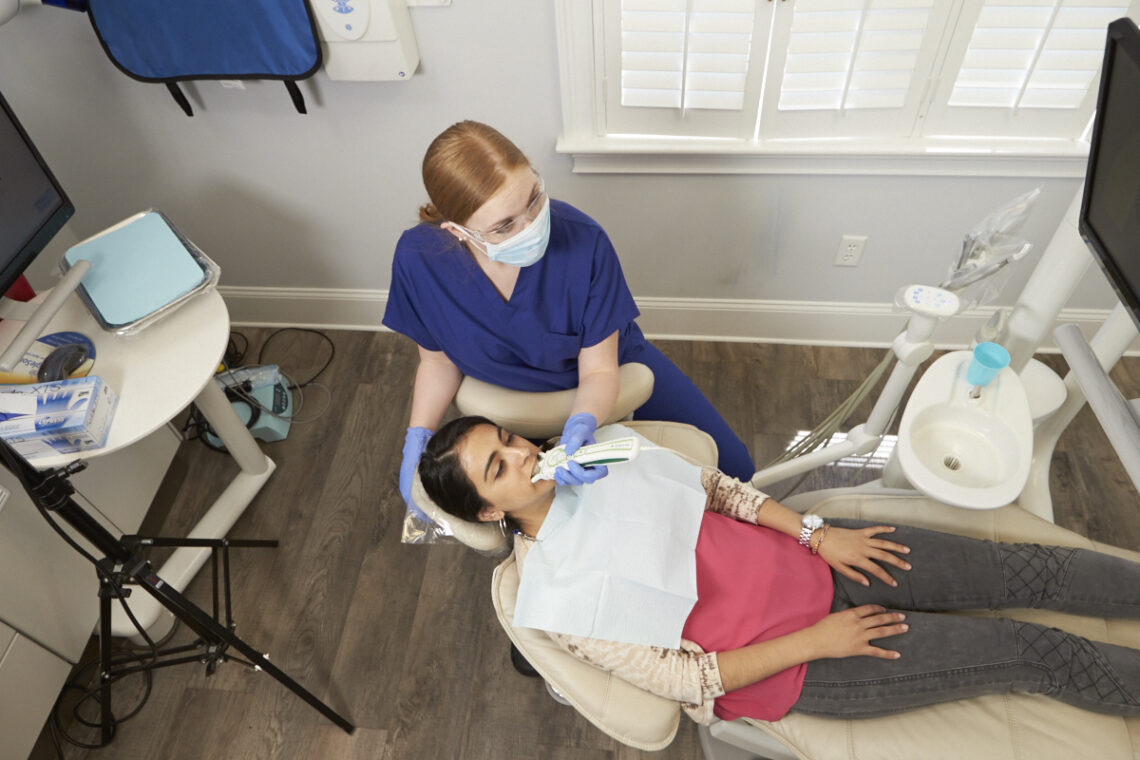
Bite issues, whether subtle or severe, can significantly affect oral health and overall well-being. Problems such as uneven pressure or misalignment not only cause discomfort but can also contribute to conditions like TMJ disorders. Traditionally, assessing and correcting bite problems relied on manual methods, which could be subjective and imprecise.
Enter digital occlusal analysis—a cutting-edge technology that provides dentists with accurate, real-time data about the patient’s bite. This method has revolutionised how practitioners approach bite correction, offering better precision, efficiency, and patient outcomes.
What is Digital Occlusal Analysis?
Digital occlusal analysis is a computerised method for evaluating the alignment and pressure points of a patient’s bite. Unlike traditional bite tests using articulating paper, this system uses advanced sensors and software to create a detailed map of occlusal contacts during biting and chewing.
The technology identifies problems such as:
- Premature tooth contact.
- Uneven pressure distribution.
- Asymmetrical bite forces.
The Importance of Accurate Bite Analysis
A healthy bite is essential for effective chewing, speech, and maintaining the integrity of your teeth and jaw. Misaligned bites can lead to:
- Excessive wear on certain teeth.
- Jaw pain or discomfort.
- Chronic headaches.
- TMJ disorders (temporomandibular joint problems).
Accurate analysis is crucial to diagnose these issues early and provide effective solutions. Digital occlusal analysis makes this process more efficient and reliable.
How Digital Occlusal Analysis Works
1. Sensor-Based Measurements
The dentist places a thin, high-tech sensor in the patient’s mouth. The patient bites down or performs specific movements, such as chewing or grinding, while the sensor collects data on bite force and timing.
2. Real-Time Data
The sensor connects to a computer that displays real-time data. This information includes:
- Areas of high bite pressure.
- The sequence of tooth contacts.
- Imbalances in occlusal forces.
3. Personalised Bite Adjustments
The dentist uses the data to plan precise adjustments, ensuring even pressure distribution and correcting misalignments with minimal invasiveness.
Advantages of Digital Occlusal Analysis
1. Enhanced Accuracy
Unlike traditional methods, which rely on visual interpretation, digital occlusal analysis provides quantifiable data. This ensures:
- Precise identification of problematic areas.
- Minimised risk of over- or under-adjustment.
2. Better Diagnosis of TMJ Disorders
Misaligned bites often contribute to TMJ disorders, causing pain, limited jaw movement, and clicking sounds. Digital analysis helps pinpoint bite issues contributing to these symptoms, leading to:
- Faster diagnosis.
- More targeted treatment plans.
3. Efficient Bite Correction
By visualising pressure points and timing, dentists can make precise adjustments to restore balance. Patients experience faster relief from discomfort and more effective long-term results.
4. Improved Patient Communication
The visual data generated by digital occlusal analysis helps patients understand their bite issues. Clear visuals foster trust and make patients more engaged in their treatment plans.
5. Long-Term Benefits
Accurate bite correction prevents issues such as:
- Tooth fractures or excessive wear.
- Chronic jaw pain.
- The progression of TMJ disorders.
Applications in Dental Practice
1. Bite Adjustments
Dentists use digital analysis to refine and balance a patient’s bite after procedures such as fillings, crowns, or orthodontic treatment.
2. TMJ Disorder Management
For patients with TMJ disorders, the technology helps design custom solutions, such as occlusal splints or bite modifications, to alleviate symptoms.
3. Restorative Dentistry
In restorative procedures, such as crowns or bridges, ensuring proper occlusion is critical. Digital analysis ensures restorations align perfectly with the patient’s natural bite.
4. Orthodontics
Orthodontists use this technology to monitor progress and ensure the final bite alignment is functional and comfortable.
Digital Occlusal Analysis vs. Traditional Methods
| Aspect | Traditional Methods | Digital Occlusal Analysis |
|---|---|---|
| Precision | Relies on subjective interpretation. | Provides objective, data-driven results. |
| Patient Comfort | Requires repeated manual adjustments. | Minimises repetitive corrections. |
| Time Efficiency | Can be time-consuming. | Faster diagnosis and treatment. |
| Documentation | Limited to manual notes. | Generates detailed reports for future reference. |
Challenges and Considerations
While digital occlusal analysis offers significant advantages, it’s essential to consider:
- Cost: The technology involves an initial investment, which might be a barrier for smaller practices.
- Training: Dentists must undergo training to use the system effectively.
- Patient Understanding: While visual data helps, some patients may still need additional explanations to grasp the concept fully.
Future Innovations in Bite Correction
The field of bite correction continues to evolve with advancements such as:
- AI Integration: Predictive algorithms may further refine bite adjustment techniques.
- Wearable Sensors: Portable devices for monitoring bite activity outside the clinic could provide deeper insights into patient habits.
- Comprehensive Diagnostics: Integration with imaging tools, such as 3D dental scans, for holistic treatment planning.
Digital occlusal analysis has transformed the way dentists diagnose and treat bite issues, providing unmatched accuracy and efficiency. Whether addressing uneven pressure, managing TMJ disorders, or ensuring the success of restorative work, this technology enables precise and patient-centred care.
For patients, this means faster relief from discomfort, better long-term outcomes, and greater confidence in their treatment. As dentistry embraces innovations like digital analysis, bite correction has never been more effective or accessible.

