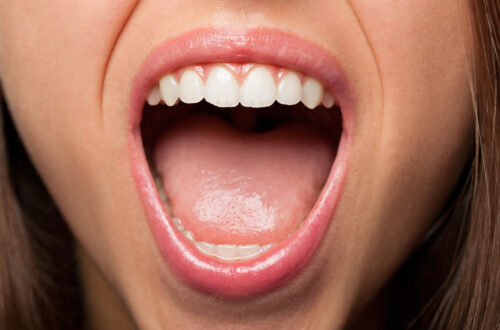

Your smile is one of the most powerful tools you have. It can light up a room, boost your confidence, and make a lasting impression. But behind every dazzling smile is a foundation of good oral health. Maintaining healthy teeth and gums doesn’t have to be complicated—it’s all about adopting simple, consistent habits. Here are some everyday tips to help you smile better and smile brighter.
1. Brush Your Way to a Brighter Smile
Brushing your teeth is the cornerstone of oral care, but doing it correctly matters just as much as doing it regularly.
Brushing Basics:
- Brush Twice a Day: Morning and night are non-negotiable for removing plaque and bacteria.
- Use a Fluoride Toothpaste: Fluoride strengthens enamel and helps prevent cavities.
- Brush for Two Minutes: Set a timer or play a song to ensure you’re brushing long enough.
- Soft and Gentle Wins: Use a soft-bristled toothbrush and gentle circular motions to clean without damaging your enamel or gums.
Pro Tip: Replace your toothbrush every 3-4 months or sooner if the bristles are frayed.
2. Don’t Skip the Floss
Flossing is often the forgotten step in many people’s dental routines, but it’s essential for cleaning the areas your toothbrush can’t reach.
Flossing Tips:
- Floss Once a Day: The best time is at night, so you can remove debris before sleeping.
- Be Gentle: Slide the floss between your teeth and curve it around each tooth, avoiding snapping it against your gums.
- Use Alternatives: If traditional floss isn’t your thing, try floss picks or a water flosser.
Why It Matters: Regular flossing reduces the risk of cavities and gum disease by removing plaque from between your teeth.
3. Rinse for Extra Protection
Mouthwash isn’t just for fresh breath—it also plays a role in fighting bacteria, reducing plaque, and strengthening enamel.
Choosing the Right Mouthwash:
- Antibacterial Mouthwash: Helps reduce bacteria and prevent gum disease.
- Fluoride Rinse: Adds an extra layer of protection against tooth decay.
- Alcohol-Free Options: Gentle on sensitive gums and won’t cause dry mouth.
Pro Tip: Use mouthwash after brushing and flossing for maximum benefit.
4. Eat Your Way to Healthy Teeth
Your diet impacts your oral health as much as your brushing habits. Certain foods can strengthen teeth, while others may harm them.
Smile-Friendly Foods:
- Dairy Products: Milk, cheese, and yogurt are rich in calcium, which strengthens teeth.
- Crunchy Fruits and Vegetables: Apples, carrots, and celery help clean teeth and stimulate saliva production.
- Leafy Greens: Spinach and kale are loaded with vitamins that support gum health.
Foods to Avoid or Limit:
- Sugary Treats: Candy, soda, and desserts feed bacteria that cause cavities.
- Acidic Foods and Drinks: Citrus fruits and sodas can erode enamel over time.
Pro Tip: Rinse your mouth with water after eating acidic or sugary foods to neutralize acids and wash away debris.
5. Stay Hydrated for a Brighter Smile
Water is your best friend when it comes to oral health. It washes away food particles, keeps your mouth hydrated, and stimulates saliva production, which neutralizes harmful acids.
- Choose Tap Water: Many municipal water supplies contain fluoride, which strengthens enamel.
- Rinse Often: A quick rinse after meals can prevent plaque buildup and freshen your breath.
Pro Tip: Swap sugary drinks for water to avoid unnecessary exposure to sugar and acid.
6. Protect Your Teeth from Damage
Your teeth are strong, but they’re not indestructible. Protect them from unnecessary wear and tear with these tips:
Avoid These Habits:
- Don’t Use Your Teeth as Tools: Avoid opening packages or bottles with your teeth to prevent chipping.
- Skip the Ice-Crunching: Chewing ice can crack your enamel and cause sensitivity.
- Wear a Mouthguard: If you grind your teeth at night or play contact sports, a mouthguard can protect your teeth from damage.
7. Make Regular Dental Visits a Priority
Even with the best at-home care, regular dental checkups are essential for maintaining a healthy smile.
- Cleanings and Exams: Visit your dentist every six months for a professional cleaning and to catch any issues early.
- Preventive Treatments: Ask about fluoride treatments or dental sealants for added protection against cavities.
- Tailored Advice: Your dentist can provide personalized recommendations based on your oral health needs.
8. Brighten Your Smile Safely
If you’re looking to enhance your smile’s appearance, whitening treatments can help, but it’s important to do it safely:
At-Home Whitening:
- Use ADA-approved whitening strips or gels for gradual brightening.
- Avoid overuse, which can cause sensitivity or enamel damage.
Professional Whitening:
- In-office treatments offer fast, dramatic results in a safe environment.
Pro Tip: Avoid stain-causing foods and drinks, like coffee and red wine, or use a straw to minimize contact with your teeth.
9. FAQs About Everyday Dental Care
Q: How often should I replace my toothbrush?
A: Replace your toothbrush or toothbrush head every 3-4 months, or sooner if the bristles are frayed.
Q: What’s the best way to prevent bad breath?
A: Brush your tongue daily, stay hydrated, and use an antibacterial mouthwash to combat odor-causing bacteria.
Q: How can I reduce tooth sensitivity?
A: Use a toothpaste designed for sensitive teeth, avoid extreme temperature foods, and consult your dentist for additional treatments if needed.
A brighter, healthier smile doesn’t require complicated routines or expensive treatments. By sticking to these simple dental care tips, you can improve your oral health and boost your confidence in no time. Remember, consistency is key—small steps taken every day can make a big difference.
Start today with these tips, and let your smile shine brighter and better than ever!