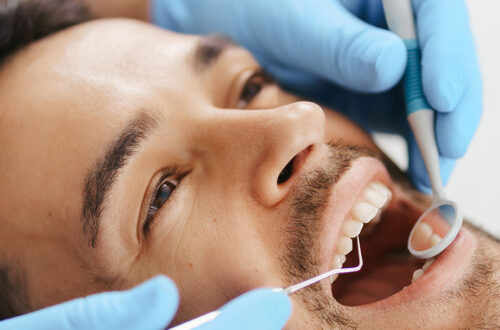

Salivary diagnostics is emerging as a non-invasive and effective tool for detecting systemic diseases, transforming how healthcare professionals approach early diagnosis and monitoring. By analyzing saliva, which contains a wealth of biomarkers, dentists and medical practitioners can identify links between oral health and overall health, making this an invaluable addition to modern diagnostic techniques.
What Are Salivary Diagnostics?
Salivary diagnostics involves analyzing saliva to detect biomarkers associated with systemic and oral diseases. These biomarkers include proteins, enzymes, hormones, DNA, and RNA that reflect the body’s health status.
Unlike blood tests, saliva collection is painless, cost-effective, and easy to perform, making it a patient-friendly diagnostic option.
How Saliva Reflects Systemic Health
Saliva contains compounds derived from both local (oral) and systemic sources. As a result, it provides insights into:
- Metabolic Health: Indicating conditions like diabetes.
- Immune Response: Reflecting inflammation or infections.
- Hormonal Balance: Monitoring stress, reproductive health, or thyroid function.
- Genetic Markers: Identifying predispositions to certain diseases.
Systemic Diseases Detected Through Salivary Diagnostics
1. Diabetes
- Elevated glucose levels in saliva can indicate poorly controlled diabetes.
- Increased inflammation markers in saliva are often linked to diabetic complications.
2. Cardiovascular Diseases
- Saliva can reveal biomarkers such as CRP (C-reactive protein), which signals inflammation related to heart disease.
3. Cancer
- Salivary diagnostics can detect specific RNA and DNA fragments that indicate cancers like oral squamous cell carcinoma, breast cancer, or lung cancer.
4. Infectious Diseases
- Pathogens such as viruses (e.g., HIV, SARS-CoV-2) or bacteria are detectable in saliva, aiding in disease surveillance.
5. Autoimmune Conditions
- Biomarkers for autoimmune diseases like Sjögren’s syndrome, which targets salivary glands, can be identified through saliva analysis.
Advantages of Salivary Diagnostics
1. Non-Invasive Collection
Saliva collection is painless and convenient, making it an ideal diagnostic method for children, elderly patients, or individuals with needle phobia.
2. Cost-Effective
Compared to blood tests, saliva testing requires minimal equipment and trained personnel, reducing overall healthcare costs.
3. Real-Time Monitoring
Saliva can be easily collected multiple times to track disease progression or response to treatment.
4. Cross-Disciplinary Applications
Salivary diagnostics bridges the gap between dentistry and medicine, emphasizing the connection between oral health indicators and systemic diseases.
Salivary Biomarkers for Oral Health Indicators
In addition to systemic diseases, salivary diagnostics is instrumental in assessing oral health, including:
- Periodontal Disease: Detection of inflammatory markers and bacterial DNA.
- Caries Risk: Measuring pH and buffering capacity of saliva.
- Oral Cancer: Identifying tumor-associated markers.
Technological Advancements in Salivary Diagnostics
Recent innovations have made salivary diagnostics more accurate and accessible:
1. Lab-on-a-Chip Technology
Compact devices analyze saliva samples on-site, providing rapid results without the need for large laboratory setups.
2. AI Integration
Artificial intelligence enhances the interpretation of complex biomarker profiles, enabling earlier and more precise diagnoses.
3. Portable Saliva Analyzers
Handheld devices allow for point-of-care testing in dental clinics or remote settings, improving access to diagnostic services.
4. Omics-Based Research
Advanced techniques such as proteomics and genomics help identify new biomarkers and expand the range of detectable conditions.
Challenges and Future Directions
Challenges
- Standardization: Variability in saliva collection methods can affect results.
- Regulatory Approval: Salivary diagnostics require rigorous validation to meet clinical standards.
- Awareness: Both patients and healthcare providers need education on the benefits and applications of saliva-based tests.
Future Directions
- Expanding the range of detectable diseases to include neurodegenerative conditions like Alzheimer’s.
- Integrating salivary diagnostics into routine check-ups for preventive healthcare.
- Developing smart saliva-collecting devices linked to health monitoring apps.
Salivary diagnostics represents a breakthrough in linking oral health indicators with systemic disease detection. Its non-invasive nature, combined with advances in technology, positions it as a critical tool in modern healthcare. As research continues to uncover new applications, saliva testing may soon become a standard part of preventive and diagnostic medicine.